The Completionist's Guide: Tracking Secrets and Collectibles
For the dedicated completionist, reaching the final credits is only half the journey. Uncovering the hidden lore fragments, audio logs, unique cosmetics, and elusive Easter eggs is where true mastery lies. This guide outlines structured methodologies for hunting down 100% of a game's collectibles without burning out or aimlessly wandering enormous maps.
Systematic Area Sweeping
The most inefficient way to hunt for collectibles is to wander randomly hoping your proximity radar pings. You must break open-world maps down into grid sections. Pick a defined quadrant and sweep it systematically using the "lawnmower" method—traversing back and forth in tight parallel lines.
Pay special attention to environmental anomalies. Level designers love to place collectibles in areas that break the visual pattern of a room. Look for:
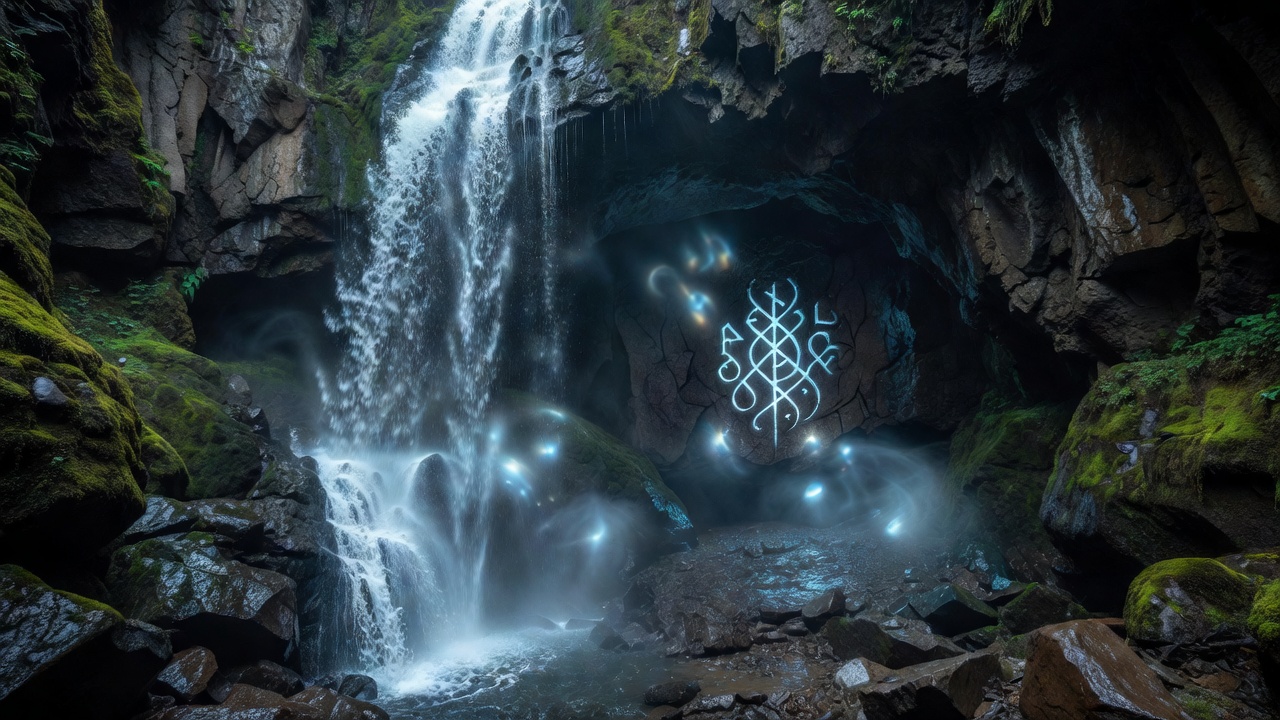
- Behind Waterfalls: The oldest trope in level design, yet still heavily utilized.
- Unlit Corners: If a room is brilliantly lit but has one suspiciously dark, unlit alcove, investigate it immediately.
- Vertical Blind Spots: Players rarely look up. Check rafters, exposed pipes, and upper balconies.
- Breakable Terrain: Walls with cracks, discolored bricks, or wooden planks often conceal hidden chambers.
Using External Tracking vs. Organic Discovery
A common dilemma for completionists is whether to use interactive maps from the start or to hunt organically. We recommend a hybrid approach to preserve the joy of discovery while respecting your time.
Play through a zone organically first. Engage with the content, explore the nooks and crannies naturally, and collect what you find. Only after you have defeated the zone's boss or completed its main narrative arc should you pull up an interactive map or checklist to sweep for the remaining 10-15% of items you missed. This prevents the game from feeling like a sterile grocery list.
Understanding Audio and Haptic Cues
Modern game engines rely heavily on secondary feedback to guide players toward secrets. If you are hunting collectibles, playing with a good headset is non-negotiable. Many hidden items emit a low-frequency hum, a faint whispering, or a distinct chime when you are within a 20-meter radius.
Additionally, pay attention to controller haptics. Subtle vibrations that pulse rhythmically as you face a specific direction are a common mechanic for guiding players toward buried treasure or invisible interactive objects. If you play on a mouse and keyboard, ensure your audio mix favors sound effects over background music during your hunting sessions.
Lore Consolidation and Meta-Puzzles
Not all collectibles are just arbitrary icons on a map. In many atmospheric titles, collecting text logs or artifact descriptions reveals a secondary, over-arching meta-puzzle. Read the descriptions of the items you find. They often contain numerical codes, compass directions, or riddles necessary to unlock the game's ultimate secret area or true ending.
By structuring your sweeps, utilizing audio cues, and treating collectibles as puzzle pieces rather than mere tally marks, the path to 100% completion becomes a highly rewarding extension of the core gameplay loop.